

Smile Lines, known as Nasolabial Folds
You're Still Smiling—But the Lines Don't Always Feel Joyful.
Nasolabial folds—your smile lines—tell a story of expression, but can deepen over time due to volume loss, collagen decline, and structural shifts. At BeautyOne, we know they’re natural, but not always welcome. Our approach begins with curiosity, not judgment—exploring stress, aging, hormones, and habits to understand what’s behind the lines and how to soften them mindfully.
Learn moreWe don't treat surface symptoms - we treat systems.
The BeautyOne tCBT model combines advanced aesthetics, hormonal health, psychotherapy, and regenerative medicine to address hair loss at its root.

How Smile Lines Form—And Why
Understand the deeper factors behind smile lines
Nasolabial folds are formed through repeated facial movement, natural aging, and structural changes in the midface. Loss of collagen, fat pad descent, and bone resorption in the cheeks all contribute to deeper creasing. Environmental stressors like sun damage and smoking can accelerate their appearance, while dehydration and chronic stress may make them more pronounced.
 One.webp)
 Two.webp)
For many patients, smile lines become a visible marker of aging that doesn't align with how they feel internally. When these folds deepen, they can create shadows that exaggerate tiredness or make the face appear less vibrant.
Nasolabial folds are formed through repeated facial movement, natural aging, and structural changes in the midface. Loss of collagen, fat pad descent, and bone resorption in the cheeks all contribute to deeper creasing. Environmental stressors like sun damage and smoking can accelerate their appearance, while dehydration and chronic stress may make them more pronounced.
For many patients, smile lines become a visible marker of aging that doesn't align with how they feel internally. When these folds deepen, they can create shadows that exaggerate tiredness or make the face appear less vibrant.
Curated by our medical team for this concern
Recommended Products
Everyday Habits That Protect Your Expression
Smile lines are a natural part of aging, but you can influence how quickly they develop. At BeautyOne, we support prevention through both skin health and internal resilience. From facial posture to nutrition, our approach is as much about habits as it is about high-tech.
- Facial Volume Maintenance
Early collagen support through skincare, treatments, and internal nutrition can slow visible deepening.
- Posture & Sleep Positioning
Sleeping on your side may deepen nasolabial folds. Back-sleeping and proper head elevation reduce repetitive compression.
- Hydration & Skin Support
Peptides, hyaluronic acid, and antioxidants—both topical and IV—help maintain elasticity.
- Stress & Hormonal Balance
Elevated cortisol and estrogen fluctuations contribute to collagen breakdown. Managing both helps preserve structural support.
- Facial Massage & Tension Release
Reduces myofascial stiffness and supports lymphatic drainage, enhancing facial symmetry.
Advanced Treatments for Smile Lines
Nasolabial folds—or smile lines—are a natural part of expressive aging, but they can deepen over time due to collagen loss, volume depletion, and repeated facial movement. At BeautyOne, we don't erase expression—we restore harmony. Our treatment plans aim to soften the depth of the folds, improve skin elasticity, and support the structures that influence facial volume, all while preserving your authentic smile.
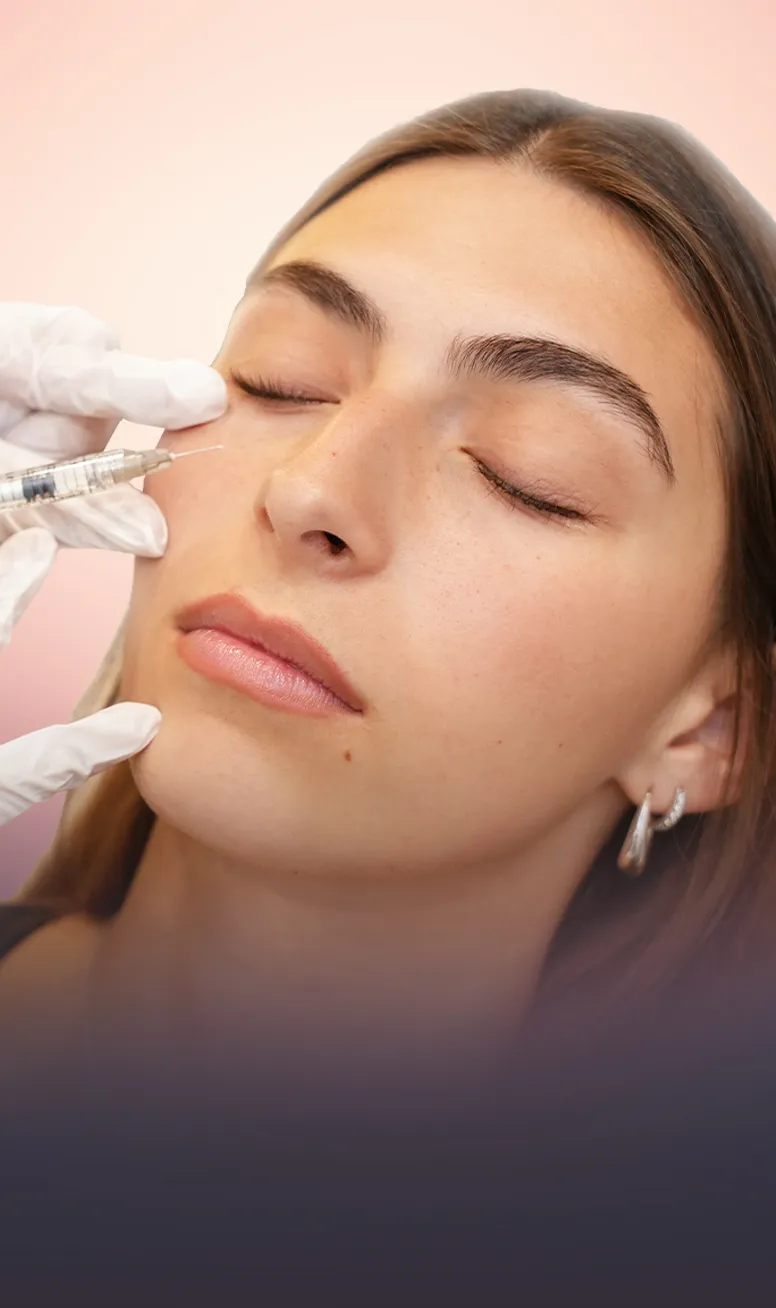
Dermal Fillers (Nasolabial Area)
Dermal Fillers (Nasolabial Area)
What it does?
Replenishes lost volume and smooths the fold for a more balanced transition between cheeks and mouth.
Who it's for?
Patients with moderate to deep nasolabial lines seeking immediate, natural-looking results.
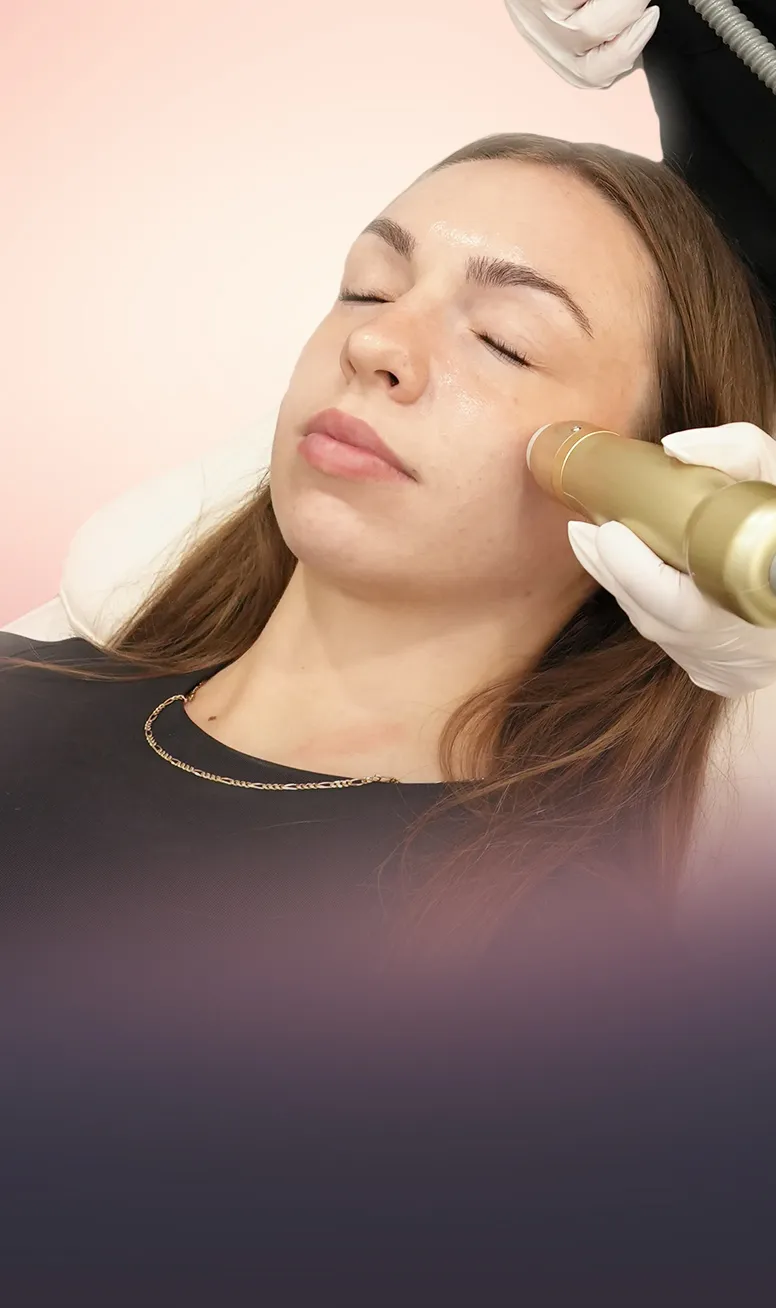
Sylfirm X RF Microneedling (Midface)
Sylfirm X RF Microneedling (Midface)
What it does?
Stimulates collagen and elastin production to firm skin and reduce fine creasing along the smile lines.
Who it's for?
Individuals noticing early static lines or skin laxity around the lower cheek and mouth.
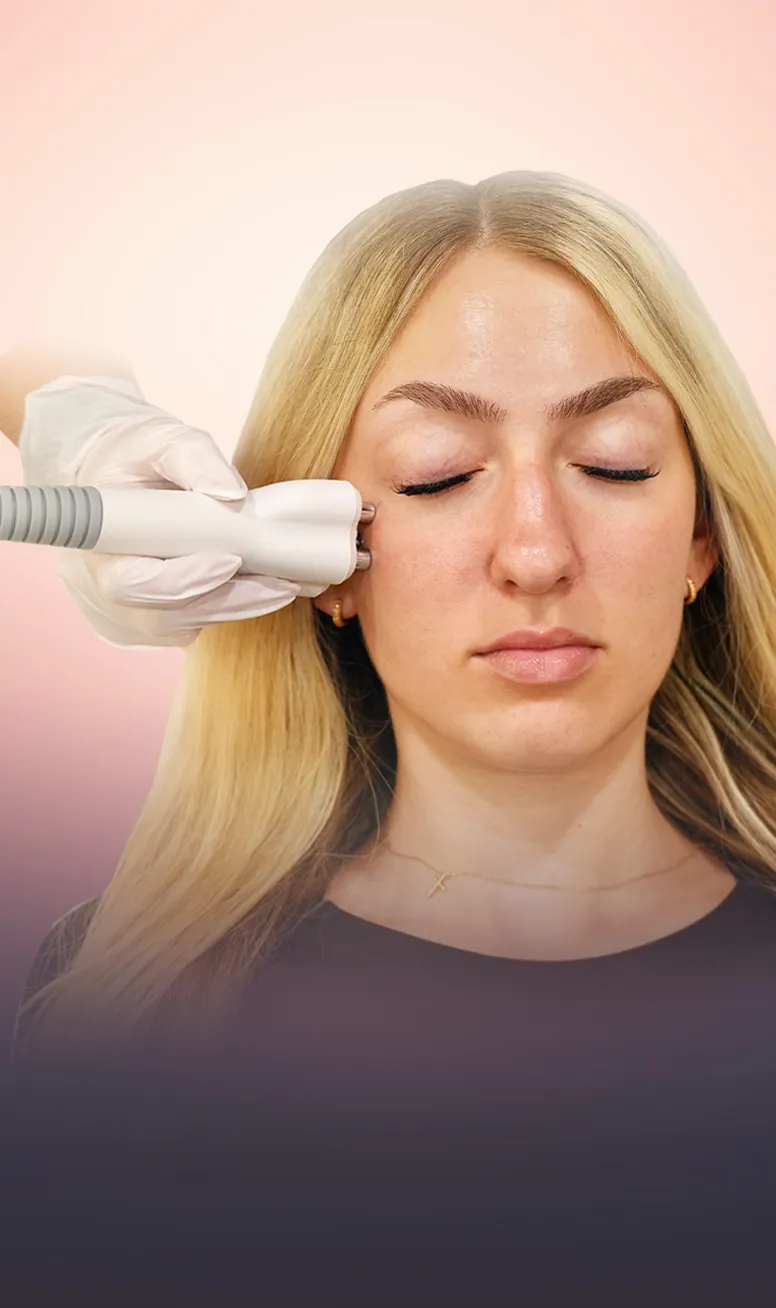
Venus Diamond Polar™ Facial Skin Tightening
Venus Diamond Polar™ Facial Skin Tightening
What it does?
Uses gentle RF energy to boost skin tightness and circulation in the lower face.
Who it's for?
Clients seeking non-invasive lifting and tone improvement along the smile line pathway.
 Vertical.webp)
PRP Facial Rejuvenation
PRP Facial Rejuvenation
What it does?
Activates natural healing and tissue remodeling in areas where the skin is thinning or losing elasticity.
Who it's for?
Those wanting regenerative improvement in texture and firmness without adding external volume.
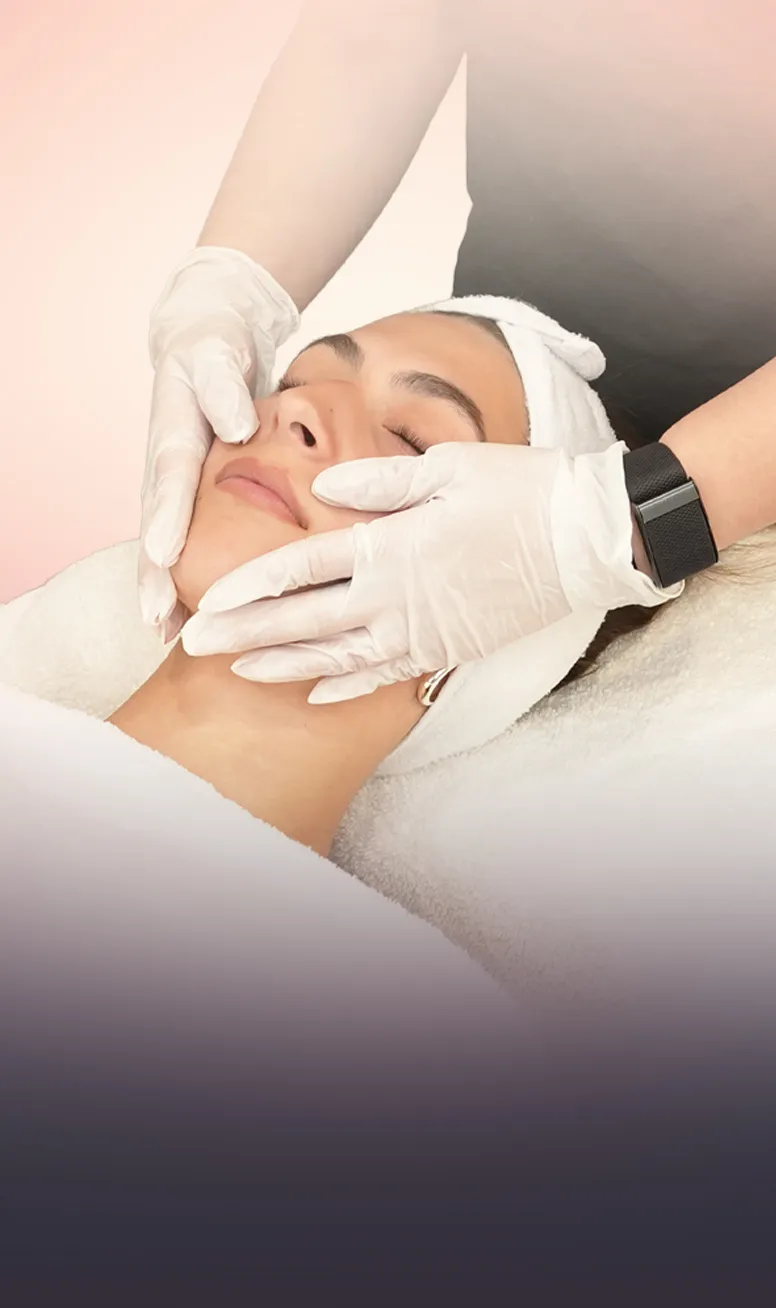
Medical-Grade Facials (Smile Zone Focus)
Medical-Grade Facials (Smile Zone Focus)
What it does?
Deeply hydrates and revitalizes the perioral area while supporting long-term skin health.
Who it's for?
All skin types looking for preventive care or recovery support post-filler or RF treatment.

tCBT Coaching & Structural Awareness
tCBT Coaching & Structural Awareness
What it does?
Identifies posture, tension, and behavioral patterns—like jaw clenching or shallow breathing—that deepen smile lines over time.
Who it's for?
Patients interested in long-term softening through both physical and psychological alignment.

When Your Mind, Body and Skin Align - Everything Transforms
Smile lines may appear with age, but how you respond to them is personal. At BeautyOne, we treat nasolabial folds with respect for your story, your biology, and your emotional context. Through our Transformational CBT (tCBT) model, we combine aesthetic treatments with functional strategies to support the systems that influence collagen, volume, and facial expression. By reinforcing facial support internally and externally, we help you soften what's visible—and shift what's driving it beneath the surface.

Ready to Soften the Folds?
Smile lines don't need to deepen. A complimentary 3D skin scan, a personalised filler-and-skincare plan, and proof of change in twelve weeks. Let's look closer.
Book 3D Skin Assessment