

Postpartum Depression
Postpartum Depression Isn't a Choice—But Healing Is Possible.
Postpartum depression isn’t just exhaustion or overwhelm—it’s a deep, often isolating struggle marked by sadness, anxiety, guilt, and disconnection. At BeautyOne, we recognize PPD as a complex emotional and hormonal experience, not just the “baby blues.” Through our tCBT model, we provide integrated care to support healing, restore emotional balance, and help you reconnect with yourself. You're not alone.
Learn moreWe don't treat surface symptoms - we treat systems.
The BeautyOne tCBT model combines advanced aesthetics, hormonal health, psychotherapy, and regenerative medicine to address hair loss at its root.
Why Postpartum Depression Develops—And What It Impacts
Postpartum depression isn't just emotional—it's biological and situational.
Postpartum depression arises from complex interactions between hormonal fluctuations (sharp declines in estrogen, progesterone, and thyroid hormones after childbirth), chronic sleep deprivation, nutritional depletion, lack of support, and major life changes. Biological imbalances amplify emotional vulnerability and can overwhelm the nervous system.
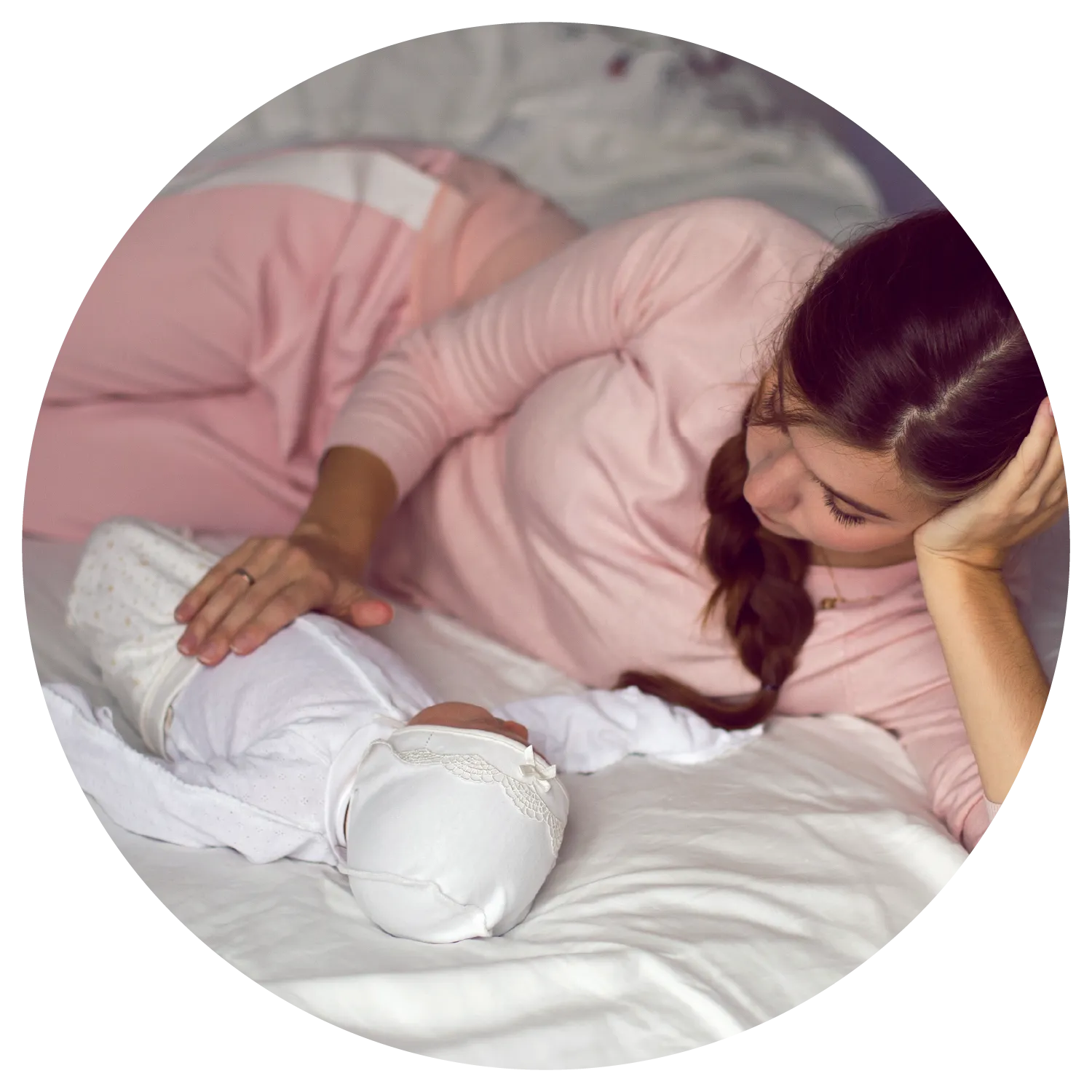

PPD is not isolated—it often triggers to coincides with physical symptoms like fatigue, loss of appetite, hormonal hair loss, disrupted sleep, and difficulty bonding. Women struggling with PPD frequently report feeling inadequate as mothers, isolated from their partners, or disconnected from their pre-motherhood selves.
Postpartum depression arises from complex interactions between hormonal fluctuations (sharp declines in estrogen, progesterone, and thyroid hormones after childbirth), chronic sleep deprivation, nutritional depletion, lack of support, and major life changes. Biological imbalances amplify emotional vulnerability and can overwhelm the nervous system.
PPD is not isolated—it often triggers to coincides with physical symptoms like fatigue, loss of appetite, hormonal hair loss, disrupted sleep, and difficulty bonding. Women struggling with PPD frequently report feeling inadequate as mothers, isolated from their partners, or disconnected from their pre-motherhood selves.
Early Support Makes a Difference—You Deserve Care
Preventing or reducing postpartum depression involves early identification, emotional support, hormone stabilization, and nervous system care. BeautyOne's holistic approach blends emotional, hormonal, and lifestyle strategies to support mothers proactively.
- Hormonal & Nutritional Support
Hormone assessment, balanced nutrition, and targeted supplementation to stabilize mood and energy levels.
- tCBT Emotional Coaching
Addressing identity changes, emotional regulation, and self-critical thought patterns common in PPD.
- Mindfulness & Breathing Practices
Daily emotional regulation exercises for nervous system resilience.
- Rest & Sleep Strategies
Practical tools to enhance rest and recovery within the realities of early motherhood.
- Social & Emotional Connection
Strengthening relationships and accessing community support to reduce isolation.
Advanced Treatments for Postpartum Depression
At BeautyOne, we recognize postpartum depression requires multifaceted treatment addressing emotional health, hormonal recovery, and physical replenishment. We use evidence-based practices, advanced hormonal testing, and targeted nutritional support to help mothers regain emotional stability and resilience.
Transformational Cognitive Behaviour Therapy (tCBT)
Transformational Cognitive Behaviour Therapy (tCBT)
What it does?
Identifies and transforms negative thought patterns, emotional overwhelm, and identity struggles postpartum.
Who it's for?
Mothers experiencing persistent sadness, anxiety, or disconnection postpartum.
Supportive Self-Care for Emotional Recovery
Recommended Wellness & Self-Care Protocol for Postpartum Depression
Recovery from postpartum depression involves consistent emotional care, hormonal support, and targeted nutrition. Our recommended wellness practices reinforce your emotional stability, hormonal balance, and overall wellbeing.
Mind & Emotional Care
- tCBT Guided Journaling: Dr. Reyhaneh Ghadaki's therapeutic prompts to shift negative self-talk and emotional overwhelm.
- Guided Mindfulness Practices: Apps like Insight Timer (specifically postpartum depression support) to calm anxiety and regulate mood.
- Recommended Reading: "Good Moms Have Scary Thoughts" by Karen Kleiman, "The Fourth Trimester" by Kimberly Ann Johnson.
Nutritional & Supplement Support
- Omega-3 Fatty Acids: Supports mood stabilization, hormone balance, and reduces postpartum anxiety and depression symptoms.
- Magnesium Glycinate & B-Complex: Reduces nervous system tension, emotional reactivity, and fatigue postpartum.
- Probiotic & Gut Health: Healthy gut microbiome supports neurotransmitter production and emotional balance.
Physical & Nervous System Support
- Gentle Yoga & Breathwork: Calming practices to reduce stress hormones and stabilize mood.
- Sleep Hygiene Strategies: Practical tools to maximize rest, despite sleep disruption.

When Your Mind, Body and Skin Align - Everything Transforms
At BeautyOne, we see postpartum depression as a complex emotional and physiological response—not a personal failing. Our integrated approach, led by Dr. G and her Transformational CBT model, provides compassionate, science-based support. Our goal is simple yet profound: to help you feel emotionally safe, hormonally balanced, and physically replenished so you can fully embrace your motherhood journey with confidence and connection.

Ready to Find Your Way?
Postpartum depression isn't weakness. A complimentary discovery consultation, a compassionate plan, and the support you deserve through every step. Let's begin softly.
Book a Consultation